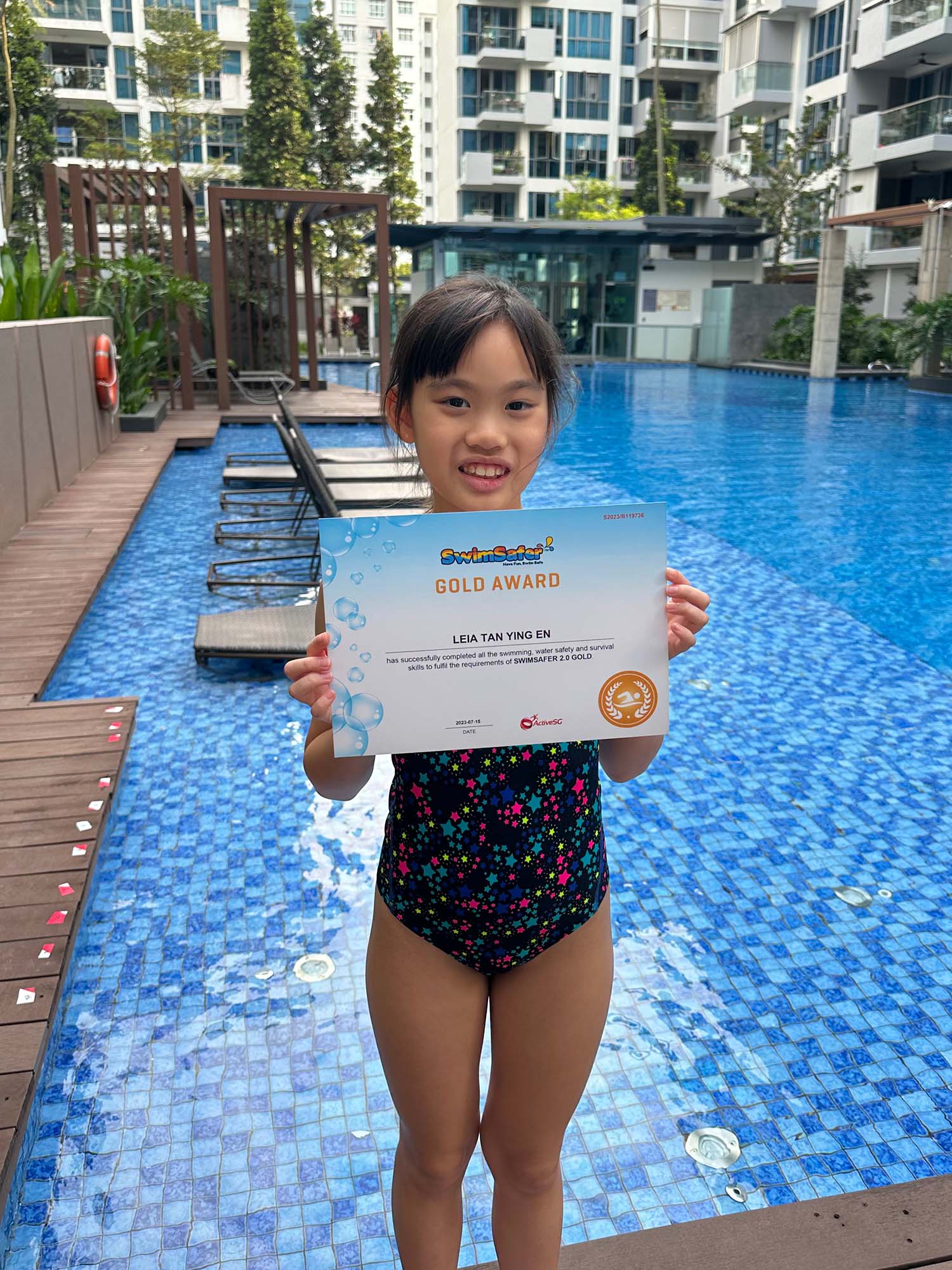
Best Swimsafer Programme In Singapore [2025]

*Free group trial from age 4 in the cities we serve. Private paid trial from age 2.
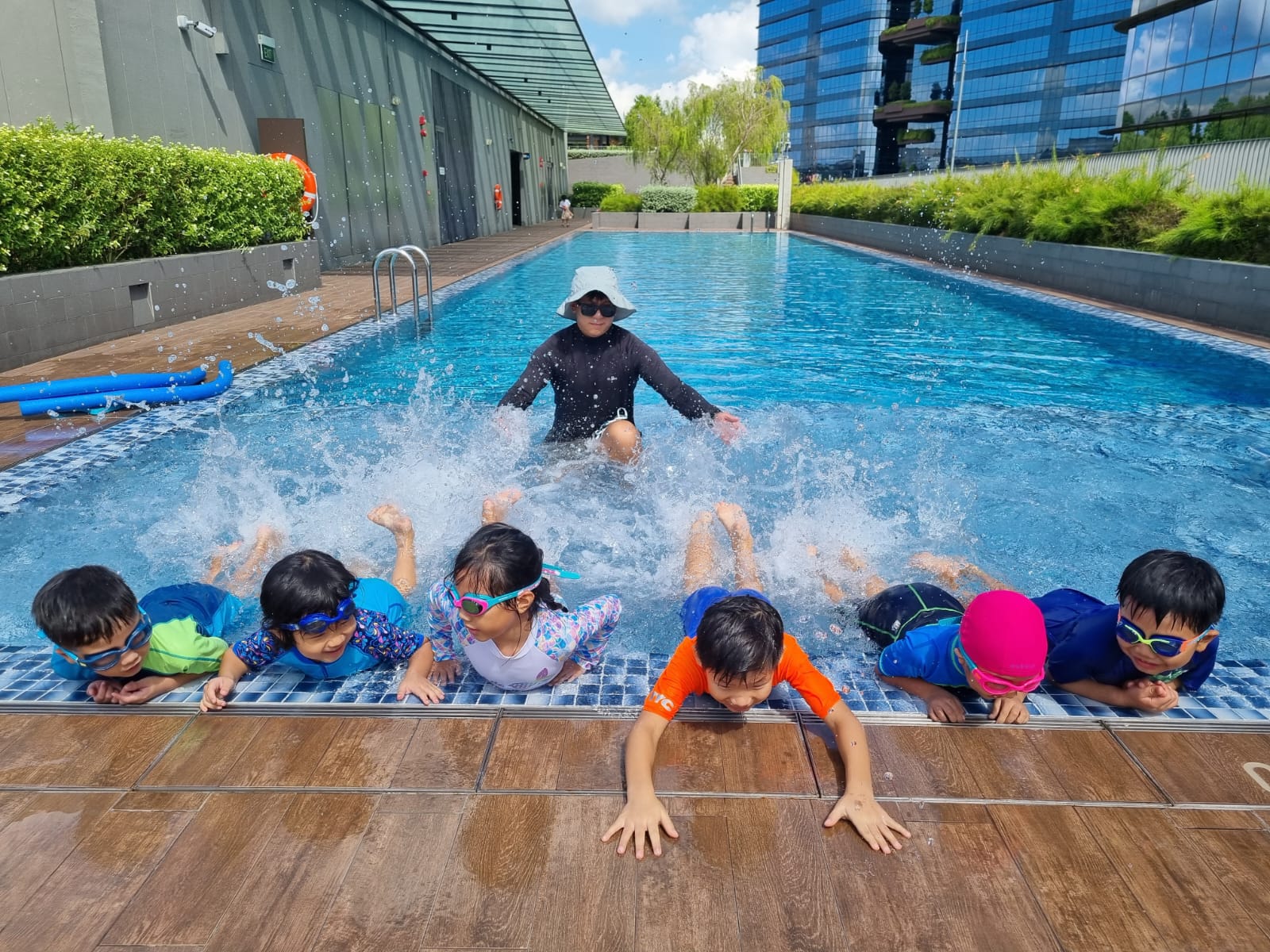
Group Swimming Class at JustSwim Singapore
5.0 · 540+ Google reviews
Swimsafer Student at JustSwim

Best Swimsafer Programme In Singapore

At JustSwim Singapore, we provide an exceptional Swimsafer test/programme that equips swimmers with the essential skills and knowledge to navigate safely in the water.

The Swimsafer programme is a national water safety initiative by the National Water Safety Council of Singapore. It’s a comprehensive and systematic curriculum that builds water survival skills and personal water safety and develops efficient stroke techniques.

Why Choose JustSwim's Swimsafer Test/Programme

JustSwim’s Swimsafer programme is designed to ensure every participant receives maximum benefits. Our certified swim instructors are dedicated to:

Our structured lessons focus on enhancing swimming skills, stroke improvement, and underwater skills, making us the preferred choice for your child’s swimming lessons.

Emphasis on personal water safety and safety awareness equips participants with the skills to handle unexpected water situations.

We ensure participants can demonstrate efficient stroke techniques, promoting swimming proficiency and developing their swimming skills.

Water survival skills are an integral part of our programme. The ability to survive in water, especially deep water, is a vital skill we impart to our students.

Skills Development: Our structured lessons focus on enhancing swimming skills, stroke improvement, and underwater skills, making us the preferred choice for your child’s swimming lessons.

Personal Safety: Emphasis on personal water safety and safety awareness equips participants with the skills to handle unexpected water situations.

What To Expect From Our Swimsafer 2.0 Programme In Singapore

This stage serves as an introduction to the fascinating world of swimming. This will boost kids’ confidence and comfort in the water. Participants will begin by learning basic water skills such as the following (but not limited to):

This stage is designed to enhance the essential swimming skills acquired in Stage 1 while integrating more advanced water safety components. A significant aspect of this stage is learning how to use a personal floatation device effectively. Participants are trained to:

This stage builds on the foundational skills acquired in Stage 2 and introduces more complex water safety and survival techniques. It fosters a deeper understanding of personal water safety and aims to increase participants’ water confidence.

This stage brings an intensified focus on deep-end water safety. Participants are exposed to the challenges and safety considerations of swimming in deeper waters. The instructors guide them through the following (but not limited to):

Swim 100 metres continuously while employing 4 different strokes:

The SwimSafer Silver programme lays the foundation for learning diving basics. It also fosters the growth of personal survival skills by introducing real-life situations. These scenarios might include swift swimming away from a rapidly submerging vessel or navigating through restricted underwater spaces simulated using hoops.

Enter the water using the crouching dive technique then swim the following strokes:

At this highest level of the Swimsafer programme, participants master advanced water survival skills, gain proficiency in demonstrating efficient stroke techniques, and refine their personal water survival skills. The key areas covered include:

  • Swimsafer Stage 1: This stage serves as an introduction to the fascinating world of swimming. This will boost kids’ confidence and comfort in the water. Participants will begin by learning basic water skills such as the following (but not limited to): Start with a slide-in technique to enter the water Perform a backstroke for a distance of 5 metres, employing either alternating or simultaneous movement of arms and legs Immerse your head in the water, open your eyes, exhale bubbles, and identify an object located on the pool floor Do a front float for a duration of 5 seconds, followed by a recovery Subsequently, execute a back float for the same duration and return to normal stance Propel yourself 10 metres on your front using either alternating or simultaneous movement of arms and legs Convey a distress signal and shout out for assistance Hang onto a float and maintain a float position for a span of 10 seconds Following this, navigate towards the edge of the pool while holding onto the float Finally, ensure a safe exit from the pool.
  • Swimsafer Stage 2 Part I: This stage is designed to enhance the essential swimming skills acquired in Stage 1 while integrating more advanced water safety components. A significant aspect of this stage is learning how to use a personal floatation device effectively. Participants are trained to: Propel yourself over a distance of 25 metres on your front, utilising either a coordinated or simultaneous stroke with your arms and legs. Perform a backstroke for a span of 15 metres, employing either an alternate or synchronous motion of your limbs.
  • Swimsafer Stage 2 Part 2A: Enter the water using the step-in technique Maintain a front float position for a duration of 10 seconds Propel yourself on your front for 5 metres, then execute a rollover Hold a back float stance for 10 seconds Navigate a distance of 5 metres on your back Employ sculling, floating or treading water techniques for half a minute Retrieve an item submerged in water of chest-deep level Emerge to the surface and ensure a safe exit from the pool.
  • Swimsafer Stage 2 Part 2B: Swim for 15 metres using any survival stroke and ensure a safe exit from the water. Appropriately adjust a personal flotation device (PFD) and take a plunge into water of at least 1.4 metres in depth Undertake a 25-metre swim while wearing the PFD, and successfully exit the water.
  • Swimsafer Stage 3 Part 1: This stage builds on the foundational skills acquired in Stage 2 and introduces more complex water safety and survival techniques. It fosters a deeper understanding of personal water safety and aims to increase participants’ water confidence. Swim continuously for 50 metres, including 25 metres of front crawl and 25 metres of backstroke
  • Swimsafer Stage 3 Part 2A: Enter the water using a stride or straddle technique (deeper water). Swim 25 metres using survival backstroke, followed by a 25-metre breaststroke swim. Perform a head-first scull on your back over a distance of 5 metres and then recover Implement sculling, floating or treading water techniques for a duration of 50 seconds Navigate through hoops located at the pool bottom for a distance of 2 metres. Emerge to the surface and make a safe exit from the pool.
  • Swimsafer Stage 3 Part 2B: Start by entering the water in deeper parts using a stride or straddle technique Perform a 25-metre survival backstroke, immediately followed by a 25-metre breaststroke swim Conduct a head-first scull on your back for 5 metres and then recover Apply techniques of sculling, floating or treading water for a total of 50 seconds Swim a distance of 2 metres through hoops positioned on the pool bottom Emerge to the surface and make a safe exit from the pool. These skills and more are designed to improve our swimmers’ physical endurance and stroke techniques .

Swimsafer 2.0 Bronze Part 1: This stage brings an intensified focus on deep-end water safety. Participants are exposed to the challenges and safety considerations of swimming in deeper waters. The instructors guide them through the following (but not limited to): Swim 100 metres continuously while employing 4 different strokes: Front crawl Backstroke Breaststroke Survival stroke

Swimsafer 2.0 Bronze Part 2A: Perform a compact jump (in deep water) while entering. Then resurface and execute a somersault. Water treading for 2 minutes. Execute a feet-first surface dive in 1.4-metre deep water. Navigate through hoops on the bottom of the pool for 2 metres Emerge to the surface and make a safe exit from the pool.

Swimsafer 2.0 Bronze Part 2B: Swim continuously for 2 minutes using survival backstroke, sidestroke, and survival breaststroke. Switch strokes every 15 metres. Wave your arms and signal for help (rescuer will throw a floatation device/aid into the water) Swim towards the floatation device and kick the edge of the pool. Exit the water safely. During this stage, swimmers can partake in survival swimming exercises that mimic real-life water hazards, enhancing their resilience and adaptability.

Swimsafer 2.0 Silver Part 1: The SwimSafer Silver programme lays the foundation for learning diving basics. It also fosters the growth of personal survival skills by introducing real-life situations. These scenarios might include swift swimming away from a rapidly submerging vessel or navigating through restricted underwater spaces simulated using hoops. Enter the water using the crouching dive technique then swim the following strokes: Front crawl – 50 metres in 1:30 minutes Breaststroke – 50 metres in 1:50 minutes Backstroke – 50 metres in 1:40 minutes Sidestroke – 25 metres Survival backstroke – 25 metres Dolphin kick 10 metres on front

Swimsafer 2.0 Silver Part 2: Perform a straddle jump to enter the water Perform a backwards somersault Perform a surface dive feet-first into the water Navigate through hoops situated at the pool’s bottom for a span of 3 metres and then resurface Accomplish a rapid 45-metre swim utilising the front crawl technique Wave your arms and signal for help (rescuer will throw a floatation device/aid into the water) Swim towards the floatation device and kick the edge of the pool. Exit the water safely. Exhibit the Heat Escape Lessening Posture (H.E.L.P.) technique for a duration of 30 seconds Subsequently, undertake a 25-metre swim with the PFD and successfully clamber out of the water.

Swimsafer 2.0 Gold Part 1: At this highest level of the Swimsafer programme, participants master advanced water survival skills, gain proficiency in demonstrating efficient stroke techniques, and refine their personal water survival skills. The key areas covered include: Front crawl – 100 metres in 3:00 minutes Breaststroke – 100 metres in 4:00 minutes Backstroke – 100 metres in 3:20 minutes Backstroke – 50 metres Sidestroke – 50 metres Butterfly – 15 metres

Swimsafer 2.0 Gold Part 2: Enter deep water using a compact jump technique Execute a head first surface dive to a minimum depth of 1.8 metres, conducting ear equalisation if necessary Navigate through hoops positioned at the pool’s bottom for a span of 5 metres, subsequently resurfacing Complete a swift 45-metre swim employing the front crawl stroke Follow this with a slower paced swim over a further 50-metre distance, using any survival stroke of your preference While in deep water, remove your trousers within 5 minutes and fashion a flotation device with it while maintaining a treading water stance Display the Heat Escape Lessening Posture (H.E.L.P.) technique using the self-made flotation device for a duration of 1 minute Then perform a 25-metre swim with the self-created float and successfully exit the water. With these stages, we ensure the development of personal water safety skills and continuous stroke improvement, enabling our participants to enjoy deep water safely.
  • Start with a slide-in technique to enter the water
  • Perform a backstroke for a distance of 5 metres, employing either alternating or simultaneous movement of arms and legs
  • Immerse your head in the water, open your eyes, exhale bubbles, and identify an object located on the pool floor
  • Do a front float for a duration of 5 seconds, followed by a recovery
  • Subsequently, execute a back float for the same duration and return to normal stance
  • Propel yourself 10 metres on your front using either alternating or simultaneous movement of arms and legs
  • Convey a distress signal and shout out for assistance
  • Hang onto a float and maintain a float position for a span of 10 seconds
  • Following this, navigate towards the edge of the pool while holding onto the float
  • Finally, ensure a safe exit from the pool.
  • Propel yourself over a distance of 25 metres on your front, utilising either a coordinated or simultaneous stroke with your arms and legs.
  • Perform a backstroke for a span of 15 metres, employing either an alternate or synchronous motion of your limbs.
  • Enter the water using the step-in technique
  • Maintain a front float position for a duration of 10 seconds
  • Propel yourself on your front for 5 metres, then execute a rollover
  • Hold a back float stance for 10 seconds
  • Navigate a distance of 5 metres on your back
  • Employ sculling, floating or treading water techniques for half a minute
  • Retrieve an item submerged in water of chest-deep level
  • Emerge to the surface and ensure a safe exit from the pool.
  • Swim for 15 metres using any survival stroke and ensure a safe exit from the water.
  • Appropriately adjust a personal flotation device (PFD) and take a plunge into water of at least 1.4 metres in depth
  • Undertake a 25-metre swim while wearing the PFD, and successfully exit the water.
  • Swim continuously for 50 metres, including 25 metres of front crawl and 25 metres of backstroke
  • Enter the water using a stride or straddle technique (deeper water).
  • Swim 25 metres using survival backstroke, followed by a 25-metre breaststroke swim.
  • Perform a head-first scull on your back over a distance of 5 metres and then recover
  • Implement sculling, floating or treading water techniques for a duration of 50 seconds
  • Navigate through hoops located at the pool bottom for a distance of 2 metres.
  • Emerge to the surface and make a safe exit from the pool.
  • Start by entering the water in deeper parts using a stride or straddle technique
  • Perform a 25-metre survival backstroke, immediately followed by a 25-metre breaststroke swim
  • Conduct a head-first scull on your back for 5 metres and then recover
  • Apply techniques of sculling, floating or treading water for a total of 50 seconds
  • Swim a distance of 2 metres through hoops positioned on the pool bottom
  • Emerge to the surface and make a safe exit from the pool.
  • Front crawl
  • Backstroke
  • Breaststroke
  • Survival stroke
  • Perform a compact jump (in deep water) while entering. Then resurface and execute a somersault.
  • Water treading for 2 minutes.
  • Execute a feet-first surface dive in 1.4-metre deep water.
  • Navigate through hoops on the bottom of the pool for 2 metres
  • Emerge to the surface and make a safe exit from the pool.
  • Swim continuously for 2 minutes using survival backstroke, sidestroke, and survival breaststroke. Switch strokes every 15 metres.
  • Wave your arms and signal for help (rescuer will throw a floatation device/aid into the water)
  • Swim towards the floatation device and kick the edge of the pool. Exit the water safely.
  • Front crawl – 50 metres in 1:30 minutes
  • Breaststroke – 50 metres in 1:50 minutes
  • Backstroke – 50 metres in 1:40 minutes
  • Sidestroke – 25 metres
  • Survival backstroke – 25 metres
  • Dolphin kick 10 metres on front
  • Perform a straddle jump to enter the water
  • Perform a backwards somersault
  • Perform a surface dive feet-first into the water
  • Navigate through hoops situated at the pool’s bottom for a span of 3 metres and then resurface
  • Accomplish a rapid 45-metre swim utilising the front crawl technique
  • Wave your arms and signal for help (rescuer will throw a floatation device/aid into the water)
  • Swim towards the floatation device and kick the edge of the pool. Exit the water safely.
  • Exhibit the Heat Escape Lessening Posture (H.E.L.P.) technique for a duration of 30 seconds
  • Subsequently, undertake a 25-metre swim with the PFD and successfully clamber out of the water.
  • Front crawl – 100 metres in 3:00 minutes
  • Breaststroke – 100 metres in 4:00 minutes
  • Backstroke – 100 metres in 3:20 minutes
  • Backstroke – 50 metres
  • Sidestroke – 50 metres
  • Butterfly – 15 metres
  • Enter deep water using a compact jump technique
  • Execute a head first surface dive to a minimum depth of 1.8 metres, conducting ear equalisation if necessary
  • Navigate through hoops positioned at the pool’s bottom for a span of 5 metres, subsequently resurfacing
  • Complete a swift 45-metre swim employing the front crawl stroke
  • Follow this with a slower paced swim over a further 50-metre distance, using any survival stroke of your preference
  • While in deep water, remove your trousers within 5 minutes and fashion a flotation device with it while maintaining a treading water stance
  • Display the Heat Escape Lessening Posture (H.E.L.P.) technique using the self-made flotation device for a duration of 1 minute
  • Then perform a 25-metre swim with the self-created float and successfully exit the water.
Book A Trial Swimming Lesson

Get Your Swimsafer Certificate In Singapore, Only From JustSwim!

Earning a Swimsafer certificate signifies a crucial milestone in a swimmer’s journey. The certificate represents the swimmer’s water safety knowledge and swimming proficiency. At JustSwim Singapore, we provide a conducive environment for learning and growth, helping you secure your Swimsafer certificate confidently.

Straight from Google

5.0 stars, 540 reviews across our cities.

Real reviews from our Google listings. Every one is verifiable.

Dame Lopian Inggrid

1 month ago · Medan

Coach Novtriyani is patient with her 3-year-old. Hopefully, my child will be able to swim on her own soon. Pricelist: 2.4 million rupiah for 3 months (once a week).

Nicole Constance

1 month ago · Depok

Found a private swimming tutor who comes to your home. So far, my child is happy with Coach Gilang. He's kind, punctual, connects with me, and cares about me.

narolytha lenny sari

1 month ago · Depok

The service is good and the coach is competent

ROMAIDA RATNA ENGGELINA

2 months ago · Depok

The admin is fast responding and helpful 😍 I hope I can swim soon

Anthony Loekita Harsono

2 months ago · Depok

Good private swimming lesson, can come to our place, the coach is very attentive and patient as well.

5.0 from 540 reviewsEvery single one is public and verifiable on Google.Read them all on Google

Free trial lesson

Book A Trial Swimming Lesson For You/Your Child

Book your Trial Class if you decide to sign up.

  • Free group trial, 45 minutes
  • Pick a pool and time yourself
  • Certified coaches
  • Pool entry ticket is separate
Pick a pool and time. See you at the pool!Finn, the JustSwim buddy

Prefer to talk first?

Before you book

Frequently asked questions

How Much Are Swimsafer Test Fees?

The test fees typically range from SGD 20 to SGD 50 per level. These cover the examination cost, certification, and sometimes the provision of equipment necessary for the test. For a more accurate quotation, we recommend reaching out to JustSwim Singapore.

Is Swimsafer Mandatory In Singapore?

Yes, the Swimsafer programme is mandatory in Singapore for primary school students under the National Water Safety Council guidelines. However, some schools allow students to opt out of the program if they take private swimming lessons outside of school.

How To Get A Swimsafer Certificate In Singapore?

You can acquire a Swimsafer certificate by participating in our programme, conducted by JustSwim’s licensed swim instructors.

What Is Swimsafer 2.0?

Swimsafer 2.0 is an enhanced version of Singapore’s National Water Safety Council’s original Swimsafer programme. It consists of six stages, each focusing on different water skills, from basic to advanced. The programme aims to develop swimming proficiency, water safety awareness, and personal survival skills, also incorporating rescue techniques. On completion of each stage, participants receive a Swimsafer 2.0 Certificate acknowledging their competency.

Can Adults Enrol In The Swimsafer Programme?

Absolutely. Our programme caters to both children and adults, reinforcing water safety awareness across all ages.